Synchronizing Controller Input Patterns with Frame Data to Optimize Combo Timings in Fighting Game Tournaments
Written by Wendy Krause · May 29, 2026
Synchronizing Controller Input Patterns with Frame Data to Optimize Combo Timings in Fighting Game Tournaments
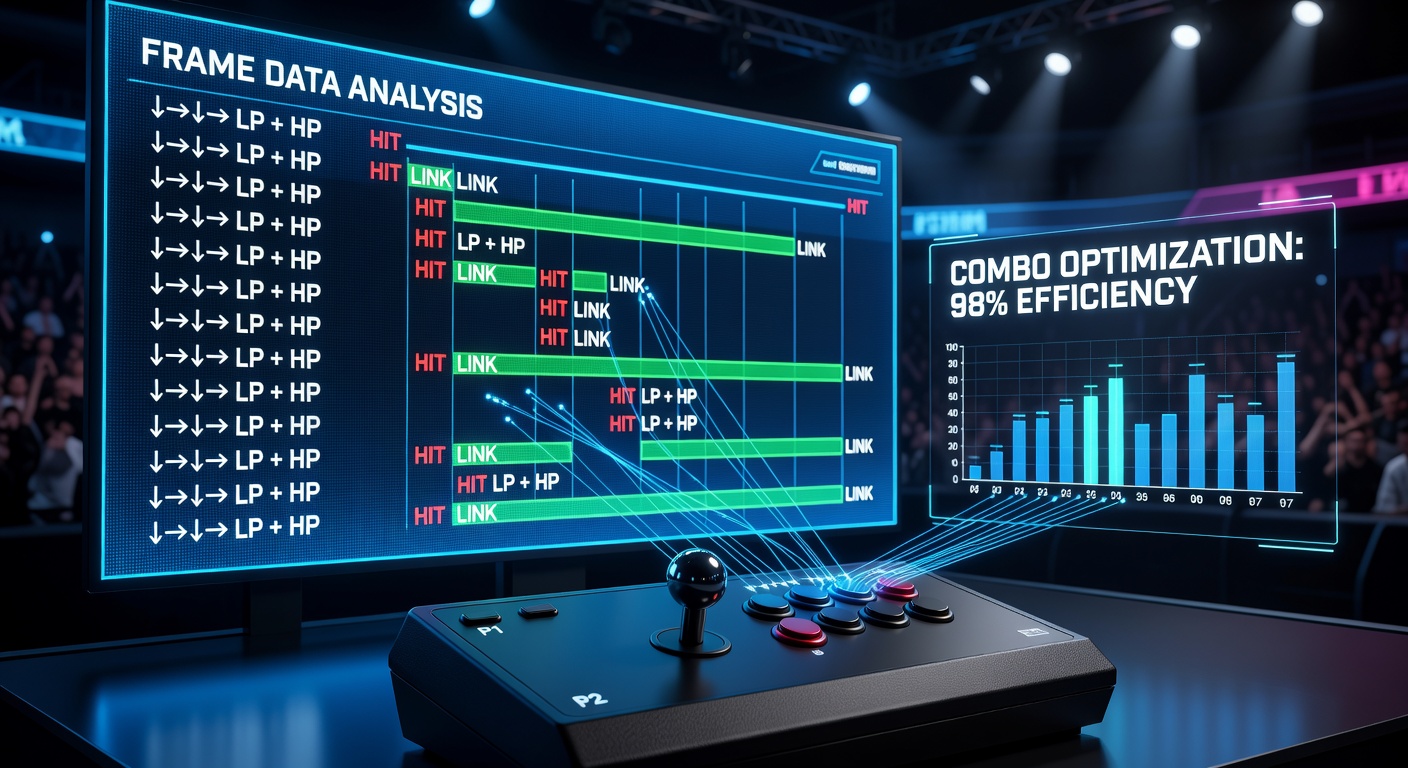
Competitors in fighting game tournaments rely on detailed synchronization between controller inputs and frame data to execute optimal combo sequences, and this practice has become standard across major events, including those scheduled for May 2026. Frame data consists of numerical values that define the startup frames, active frames, and recovery frames for each move in titles such as Street Fighter 6 and Tekken 8, while input patterns represent the specific sequences of button presses and directional commands registered by controllers or fight sticks.
Core Mechanics of Frame Data Analysis
Frame data provides the foundation for timing decisions because each attack occupies a fixed number of frames at the standard 60 frames per second rate, which means a move with five startup frames requires exactly five sixtieths of a second before it becomes active. Tournament participants study these values to identify windows where a follow-up attack can connect without allowing the opponent an opportunity to block or counter, and data from the Esports Research Lab at the University of California, Irvine shows that players who master frame counts reduce execution errors by measurable margins during bracket play. Observers note that characters with multi-hit specials often feature gaps of two or three frames between hits, which creates opportunities for opponents to interrupt if the input timing drifts even slightly.
Mapping Controller Inputs to Precise Timings
Controller input patterns translate frame data into physical actions through devices that register commands at the same 60 Hz rate, so a player aiming for a six-frame link must press the next button on the exact frame after the previous move recovers. Fight sticks with mechanical switches register inputs faster than standard gamepad membranes in many cases, and this hardware difference influences how competitors adjust their muscle memory for specific characters. Research indicates that repeated practice sessions allow the nervous system to anticipate the required timing intervals, which turns theoretical frame knowledge into consistent in-game execution during high-pressure matches.
Tournament Applications and Training Methods
At major circuits, analysts break down match footage to verify whether competitors maintained optimal input-to-frame alignment, and these reviews reveal patterns such as delayed cancels on moves with longer recovery periods. Players often create custom spreadsheets listing every viable combo route along with its total frame count, then drill those sequences until the inputs become automatic responses to visual or audio cues from the game. In May 2026, events such as EVO Japan will feature competitors who demonstrate these techniques across multiple game titles, with organizers providing official frame data resources to ensure consistent reference points for all participants.
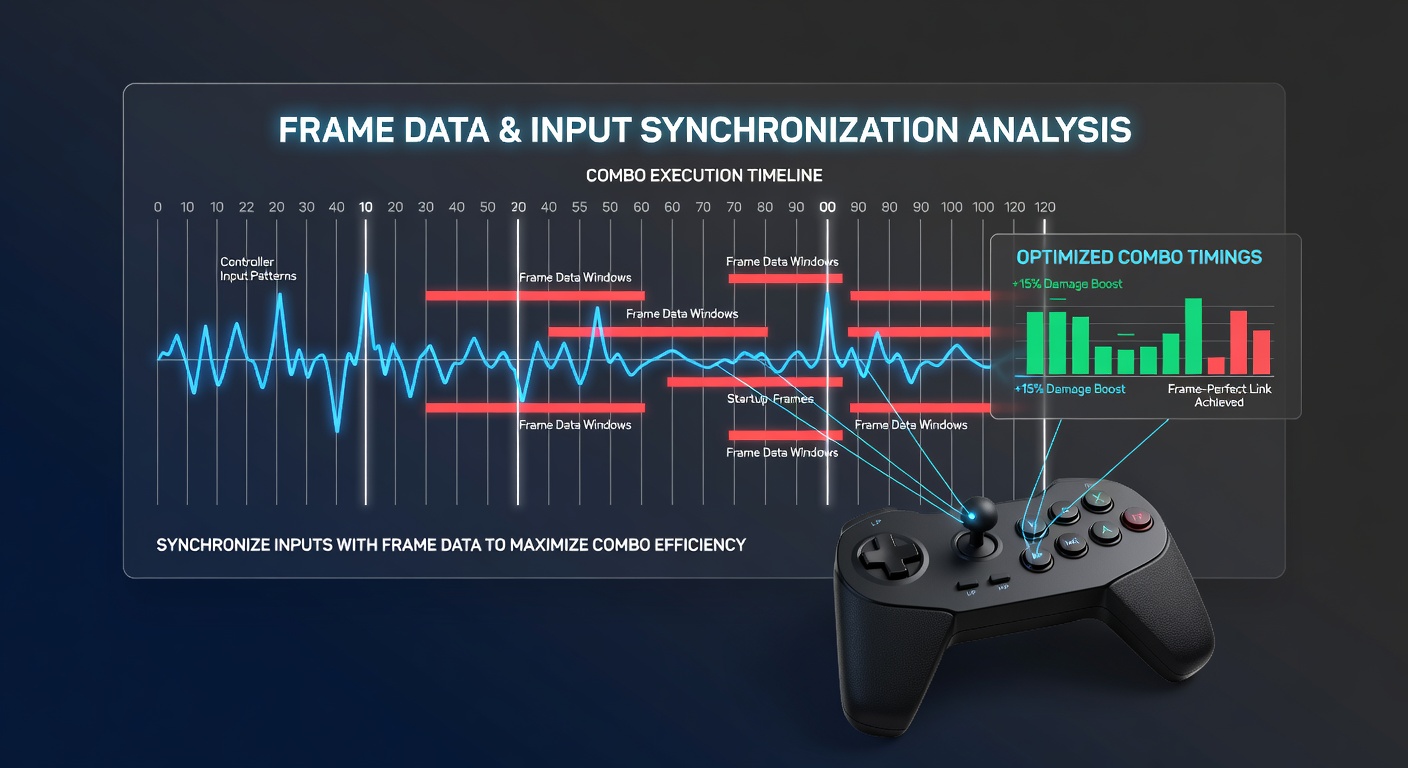
What's interesting is how regional training groups share data sets that account for slight variations in online versus offline frame presentation, because network latency can shift perceived timings by several frames and force adjustments in input buffering techniques. Teams prepare by simulating tournament conditions with added delay, which helps maintain combo reliability when matches move from practice setups to official stages.
Character-Specific Optimization Strategies
Different fighters require unique input-to-frame alignments because their move sets contain varying numbers of cancelable frames and advantage states after blocked attacks. A character with strong frame advantage on block can threaten additional pressure sequences, whereas one with negative frames must rely on defensive spacing instead. Observers have documented cases where top players adjust their input patterns mid-tournament after reviewing opponent tendencies, shifting from aggressive multi-hit routes to safer single-hit confirms that preserve health while still dealing damage.
Conclusion
Synchronization of controller inputs with frame data remains a measurable skill that separates consistent performers from those who falter under tournament pressure, and ongoing developments in training tools continue to refine how competitors approach this aspect of play. Data from the Digital Games Research Association further supports the effectiveness of structured frame study combined with deliberate practice, particularly as new titles introduce additional mechanics that expand the range of possible combo timings. Those who master these elements position themselves for stronger results across upcoming events.