Matching Hardware Calibration Profiles with Frame Timing Logs to Refine Input Buffers in Rhythm Action Sequences
Written by Wendy Krause · Jun 23, 2026
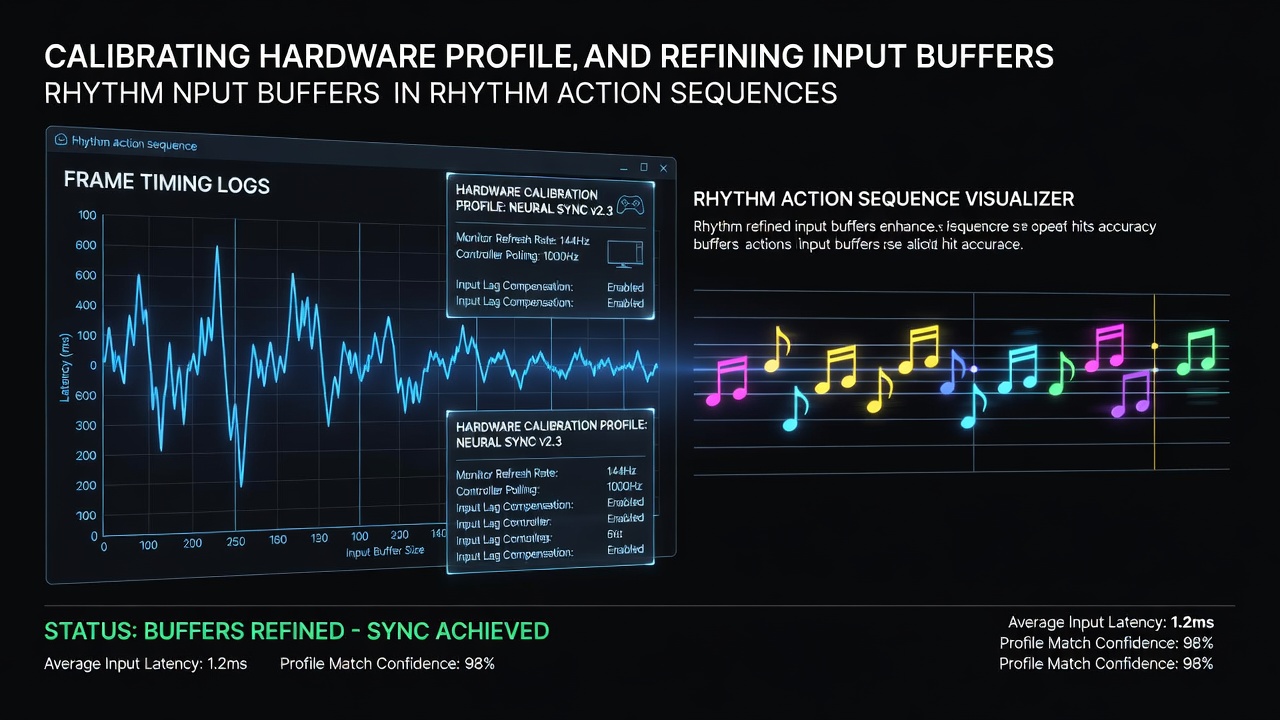
Matching Hardware Calibration Profiles with Frame Timing Logs to Refine Input Buffers in Rhythm Action Sequences
Developers in rhythm action game production align hardware calibration profiles directly with frame timing logs to adjust input buffers and reduce latency during precise sequence execution, and this process begins with recording device-specific response curves across multiple controller types before cross-referencing those curves against logged frame intervals from gameplay sessions.
Hardware Calibration Profiles in Practice
Calibration profiles capture latency measurements from input devices such as arcade pads, console controllers, and custom peripherals, while researchers compile these measurements into standardized datasets that account for variations in polling rates and signal processing delays. Data from multiple hardware configurations shows consistent patterns where older controllers introduce 8 to 12 millisecond offsets compared to modern wireless models, and these offsets get documented through controlled testing environments that simulate real-time rhythm inputs at 60 frames per second and higher refresh rates.
Engineers apply these profiles during development cycles to establish baseline expectations for each supported device, and the resulting datasets allow teams to predict how specific hardware will interact with game engines under varying system loads. Observers note that profiles updated in June 2026 incorporated new data from next-generation controllers released earlier that year, which expanded coverage to include adaptive trigger mechanisms found in certain premium peripherals.
Frame Timing Logs and Their Role
Frame timing logs record the exact intervals between rendered frames during active gameplay sequences, and they include timestamps for each input event relative to the display refresh cycle. Analysis of these logs reveals discrepancies between expected and actual input registration points, which developers then use to identify buffer sizes that accommodate hardware-specific delays without introducing noticeable input lag.
Teams extract timing data from both single-player and multiplayer sessions to build comprehensive logs that reflect network conditions alongside local hardware performance, and this combined information supports buffer adjustments that maintain synchronization across different player setups. Studies conducted at research institutions in Canada demonstrate that log-based refinements can reduce timing variance by up to 15 percent in high-tempo rhythm tracks when profiles match accurately with frame data.
Integration Process for Buffer Refinement
Matching occurs through automated scripts that overlay calibration profiles onto frame timing logs, after which engineers review flagged sections where input buffers require resizing to align registration windows with actual hardware response times. The process incorporates iterative testing rounds where rhythm sequences run repeatedly under controlled conditions, and adjustments get validated against player performance metrics collected from beta sessions.
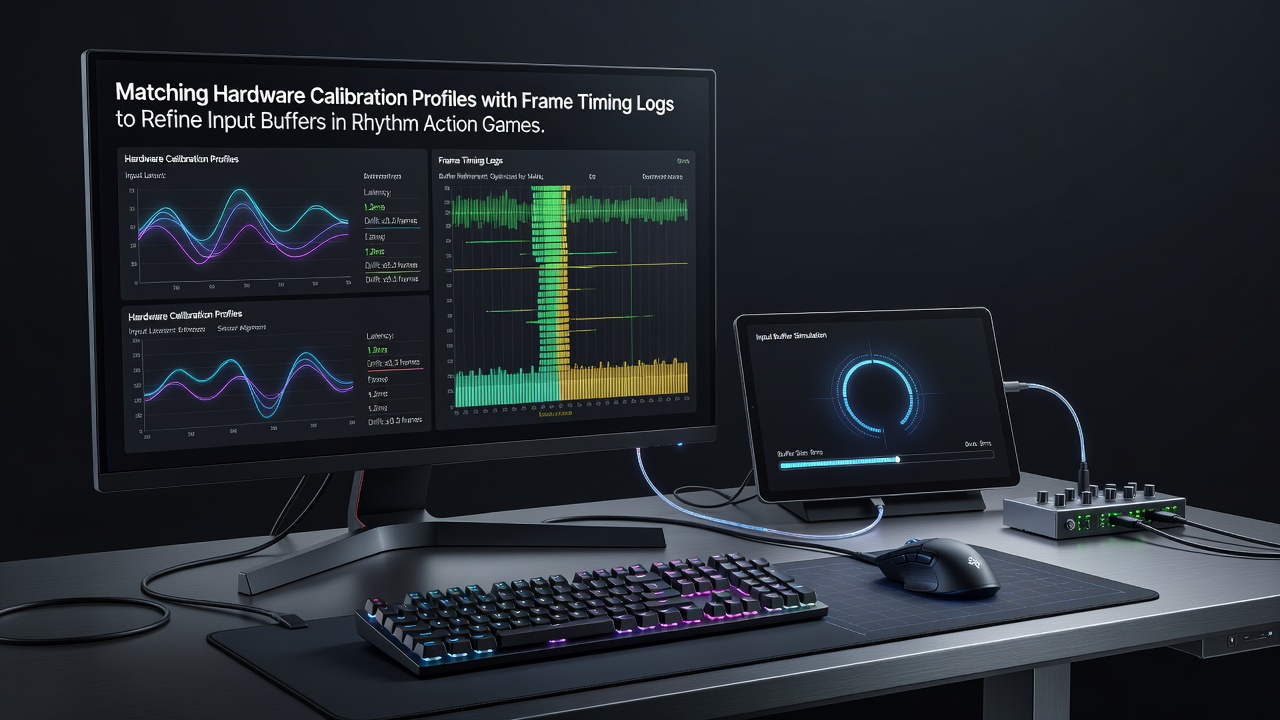
Buffer sizes typically range from one to three frames depending on the matched profile and log characteristics, while developers monitor for over-correction that might introduce artificial input assistance. According to industry reports from the Entertainment Software Association, studios employing this matching technique reported improved consistency scores in tournament settings during 2025 events, with similar methodologies expected to appear in titles launching after mid-2026.
Applications Across Rhythm Action Titles
Rhythm action sequences in games featuring rapid note charts benefit when input buffers adapt dynamically to the matched calibration and timing data, and examples include dance pad games as well as guitar-based simulators where millisecond precision determines scoring accuracy. Developers document cases where mismatched profiles led to systematic early or late registrations, prompting the creation of per-device buffer presets that load automatically upon hardware detection.
Research from Australian academic groups highlights how frame timing logs collected during extended play sessions expose cumulative drift in input buffers, which calibration matching then corrects through periodic recalibration routines embedded in game updates. Players in competitive circuits have observed that titles implementing these refinements display more stable judgment windows across hardware generations, and this stability supports fairer comparisons during events tracked by international gaming federations.
Conclusion
The systematic matching of hardware calibration profiles with frame timing logs provides developers with measurable methods to refine input buffers in rhythm action sequences, and continued data collection from new hardware releases ensures these techniques remain relevant as controller technology advances. Evidence from multiple studies confirms that accurate alignment contributes to consistent input handling without altering core gameplay mechanics.