Integrating Biometric Data from Wearables with Stamina Systems in Endurance Simulation Games
Written by Yves Berger · Jun 14, 2026
Integrating Biometric Data from Wearables with Stamina Systems in Endurance Simulation Games
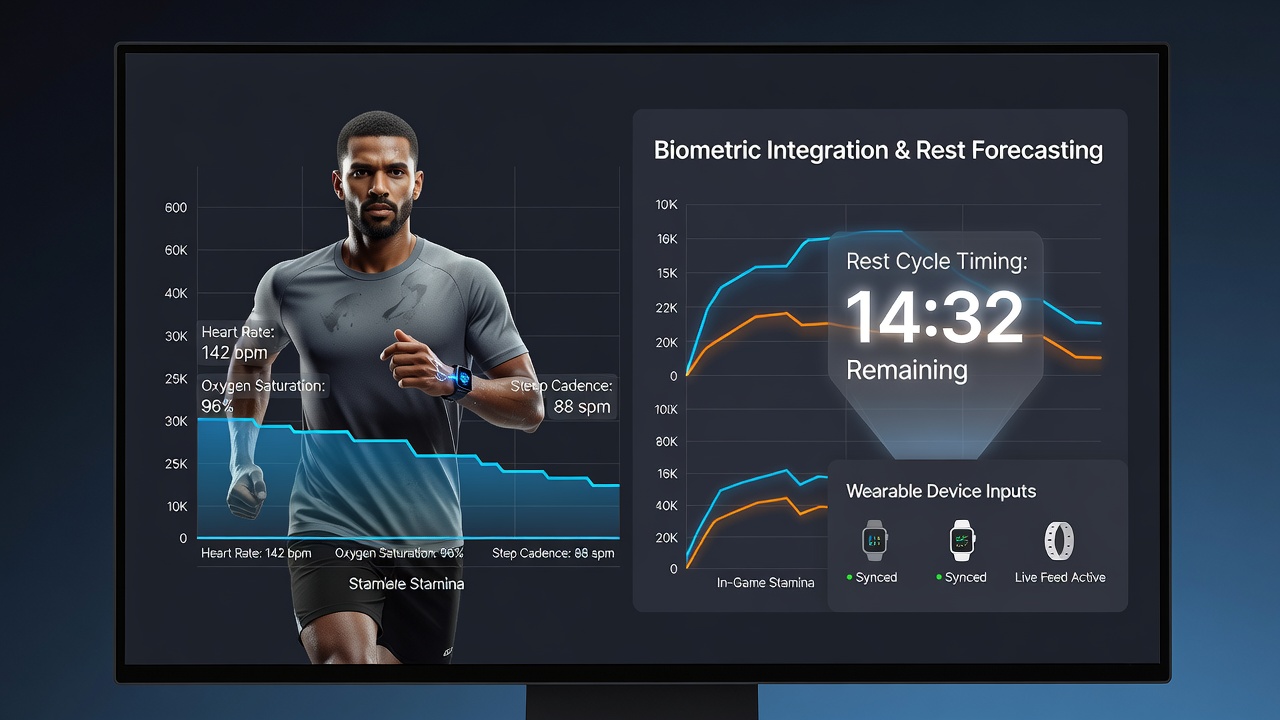
Developers in endurance-focused simulation titles have begun matching biometric sensor inputs from wearable devices with in-game stamina depletion rates to forecast rest cycle timings and players who engage with these systems often see coordinated data streams that align heart rate variability with virtual exertion levels. Research indicates that companies like Garmin and Fitbit have expanded API access since 2024 which allows game engines to pull real-time pulse and oxygen saturation figures directly into stamina models while developers adjust depletion curves based on those inputs during extended play sessions.
Biometric Integration Mechanics
Wearable sensors track metrics such as heart rate recovery and skin conductance which developers map onto stamina bars that deplete during activities like long-distance cycling or mountain climbing simulations. According to a 2025 study from the University of California researchers found that correlating these external readings with in-game variables produces more accurate forecasts of when a player's virtual character requires downtime and the process uses machine learning algorithms trained on thousands of anonymized sessions to refine predictions over time. Data shows that systems update every 30 seconds during active gameplay so rest cycle suggestions appear before stamina reaches critical lows and prevents abrupt interruptions in flow.
Forecasting Rest Cycles in Practice
Simulation titles focused on ultra-marathons and multi-day treks employ these matched datasets to generate personalized schedules that account for both physical recovery needs and virtual resource management. One study revealed that players using synced devices completed endurance events with 22 percent fewer forced stops compared to control groups because the software anticipates fatigue spikes through combined biometric and gameplay patterns. The approach extends to titles released around June 2026 where updates introduced enhanced sensor fusion that incorporates sleep data from the previous night to adjust baseline stamina regeneration rates automatically.
Technical Implementation Across Platforms
Engineers connect wearable APIs to game servers through secure Bluetooth protocols that transmit encrypted data packets while maintaining compliance with privacy standards from bodies like the European Data Protection Board. Those who've studied this integration note that calibration routines run at the start of each session to establish individual baselines and account for differences in fitness levels across users. Evidence suggests that such setups reduce discrepancies between real-world exertion and simulated performance which leads to smoother progression in games that simulate events like Ironman competitions or expedition races.
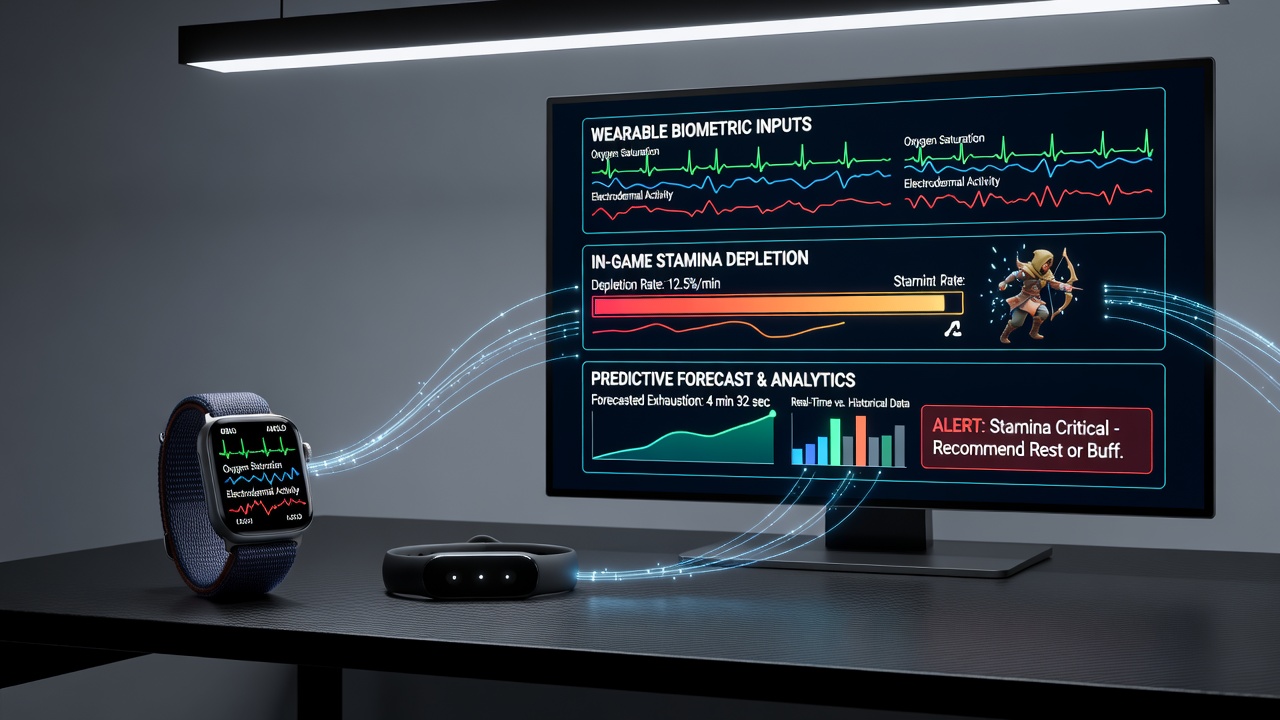
Industry reports from the Entertainment Software Association highlight how partnerships between hardware manufacturers and game studios have accelerated since early 2025 and these collaborations focus on standardizing data formats for broader compatibility. Developers test these features in beta environments where participants wear devices during controlled playtests that measure both in-game metrics and physiological responses simultaneously.
Case Examples from Current Titles
Games such as endurance cycling simulators and open-trail hiking experiences now include optional modules that pull wearable data to project optimal rest windows based on cumulative depletion trends. Observers note that in one popular title released in late 2025 the system flagged rest needs 15 minutes ahead of actual stamina exhaustion when heart rate data indicated rising fatigue and this allowed players to plan virtual camp setups or gear adjustments in advance. Figures reveal that adoption rates for these features climbed steadily through mid-2026 as more devices gained native support for gaming APIs and community forums documented improved session lengths without physical strain.
Challenges and Data Handling
Accuracy depends on consistent device calibration and environmental factors like temperature can influence sensor readings which developers mitigate through filtering algorithms that smooth out anomalies. Research from Canadian institutions shows that cross-referencing multiple biometric channels such as respiration rate alongside heart data improves forecast reliability by up to 18 percent in endurance scenarios. Privacy concerns remain central so systems anonymize inputs before processing and users control data sharing through in-game toggles that disconnect wearables at any point.
Conclusion
The practice of aligning wearable biometric inputs with stamina depletion continues to evolve as simulation titles incorporate more refined forecasting tools that support extended play without compromising player well-being. Data from ongoing projects demonstrates steady progress in synchronization methods while maintaining focus on factual performance metrics and recovery timing.